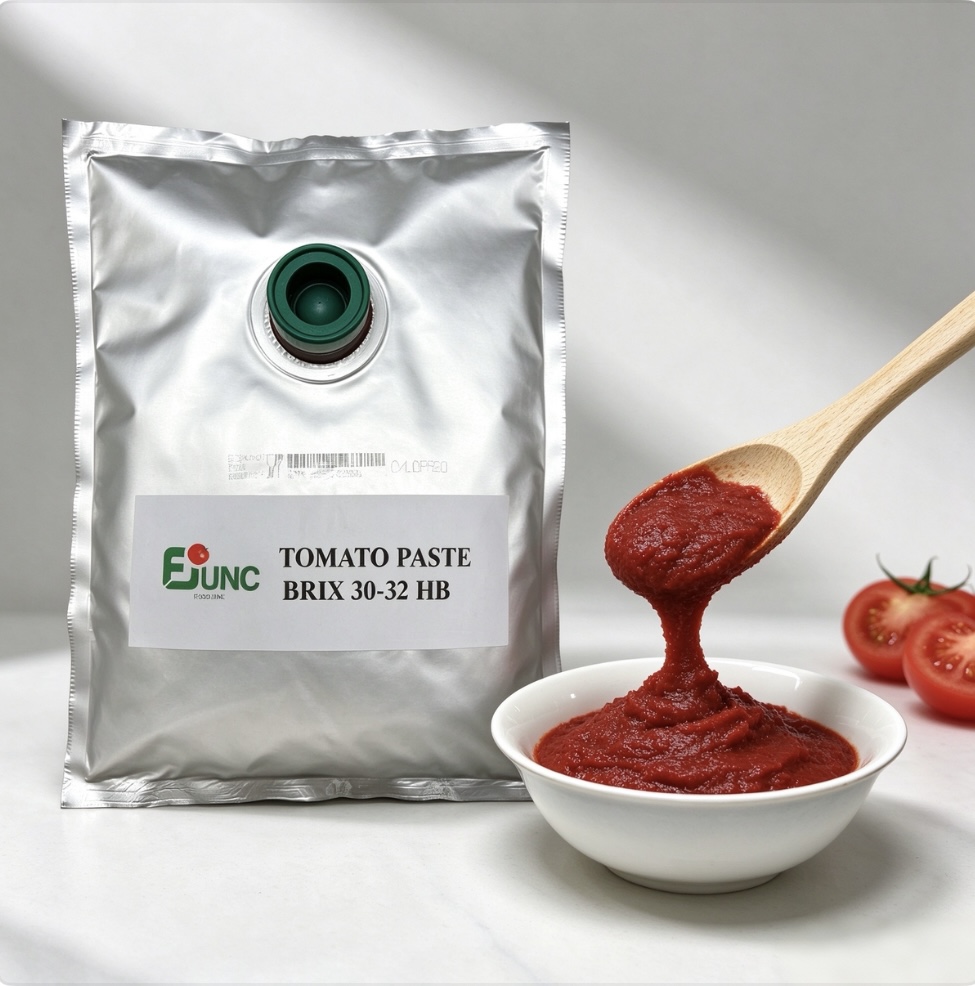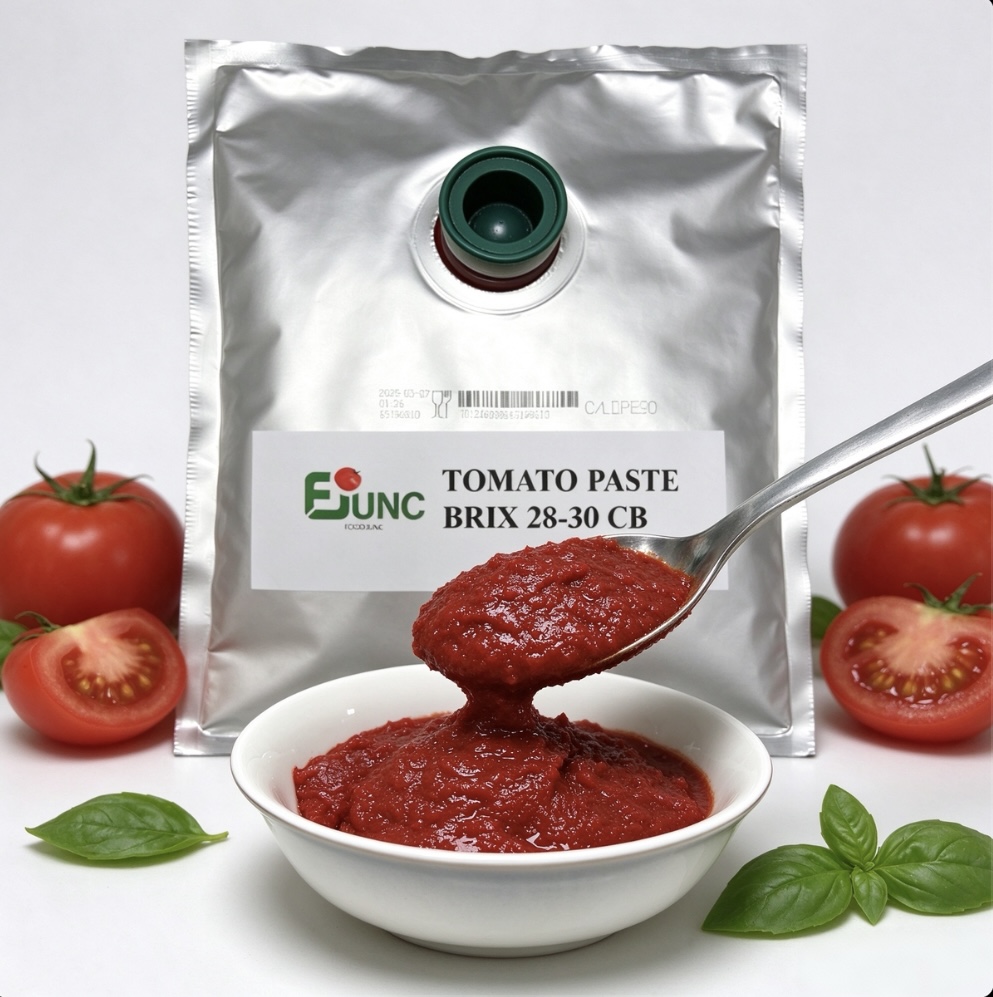
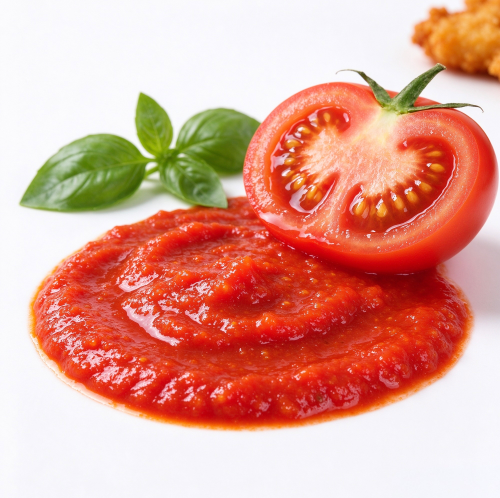
Buyers who want a cleaner ingredient list still expect ketchup that pours, clings and tastes familiar. Food Junc produces organic tomato ketchup that keeps that familiar character while using fewer, simpler ingredients. Reach out and we will help you choose a suitable sweetness and thickness.
Simple Ingredients, Natural Color and a Genuine Tomato Finish
-
Short, Readable Ingredient List
Tomato paste, vinegar, sweetener, salt and spice make up the recipe. Shoppers can read the label at a glance and recognize every item.
-
Natural Sweetening Balance
Cane sugar or agave rounds off the acid without a heavy, syrupy note. Sweetness is kept moderate so the tomato stays in front.
-
Naturally Thick Body
Thickness comes from tomato solids and careful cooking rather than added thickeners. The sauce holds on a spoon and stays on the plate.
-
Warm, Earthy Red Tone
With no color boosters, the shade runs deeper and slightly softer than conventional ketchup. That tone signals real cooked tomato and suits premium menus and shelves.
Organic Ketchup Recipe and Quality Profile
| Parameter | Specification |
|---|---|
| Tomato Base | Organically Grown Tomato Paste |
| Sweetener | Organic Cane Sugar or Agave |
| Vinegar | Organic Distilled or Apple Cider Vinegar |
| Finished Brix | Typically 24–30 °Brix |
| Consistency (Bostwick, 30 s) | Typically 4–7 cm |
| Acidity | About 1.2–1.5% as Acetic Acid |
| Salt Level | Moderate, Lightly Seasoned |
| Color | Deep, Natural Red |
| Label Style | Short, Recognizable Ingredient List |
| Flavor Styles | Classic, Reduced-Sugar, or Lightly Spiced |
Organic Tomato Ketchup for Retail, Foodservice and Wellness-Focused Menus
-
Natural Grocers and Specialty Delis
Health-food shops with dedicated condiment shelves. Farm-shop counters that favor simple ingredient lists. Online grocers selling to label-reading families.
-
Brunch Cafés and Plant-Forward Kitchens
Avocado toast, scrambled eggs and sweet-potato fries. Veggie burgers and grain bowls with a tomato drizzle. Juice-bar menus offering a clean-ingredient side sauce.
-
Meal-Kit and Gift-Hamper Brands
Recipe boxes that include a small tomato sauce component. Gourmet hampers pairing sauces with artisan snacks. Subscription pantry boxes built on organic staples.
-
Wellness Resorts and Retreat Kitchens
Spa menus designed around organic produce. Yoga-retreat dining rooms serving simple, seasonal food. Campus and clinic cafeterias with ingredient-led purchasing rules.
Flow, Taste and Cost Questions Around Organic Ketchup
1. Does organic ketchup flow and hold on a plate the same way as conventional ketchup in our kitchen equipment?
Very close. Our organic tomato ketchup recipe is tuned to run through common pumps, nozzles and ladles without special handling. Because thickness relies on tomato solids rather than additives, it can tighten slightly in a cold room, so letting it sit briefly at kitchen temperature gives the smoothest portions.
2. Why is organic ketchup often a deeper, slightly duller red than the bright bottle I know?
Brighter red usually comes from processing choices and added color helpers. Organic recipes depend on the tomatoes alone, so the shade reflects the cooked fruit. A darker tone is normal and does not point to poor quality.
3. What causes the price of organic ketchup to differ from conventional ketchup for volume buyers?
Organically grown tomatoes and sweeteners cost more and come in smaller harvests, which makes ingredient prices move more with the season. Yield per hectare is lower, and sourcing is tighter. Planning purchases across a full year helps you avoid sharp swings.
4. Does organic ketchup taste sweeter or sharper than regular ketchup?
Most people find organic tomato ketchup fruitier and a little less sugary. Agave or cane sugar gives a softer sweetness, and the vinegar tends to feel rounder. If you like a tangier finish, the classic version suits you better than the reduced-sugar one.
5. Can we use organic ketchup as an ingredient in house sauces and ready meals without losing a clean-label story?
You can, as long as the other ingredients match the same standard. Its short ingredient list adds little noise to a finished label, and its firm body carries mustard, herbs or smoke without thinning. Check each added item against your own claim before you finalize a recipe.
Source Organic Tomato Ketchup for Your Next Product or Menu Launch
Food Junc works with retailers, caterers and food brands who want a trustworthy organic tomato ketchup behind their name. Send us your target sweetness, thickness and expected yearly volume, and we will return a recommended specification with pricing.
We offer bulk wholesale, project tender support and factory test documents for buyers who need them.