Canned diced tomatoes give food producers and professional kitchens a ready-to-use tomato ingredient with visible pieces and a fresh, chunky character. They can be added directly to many recipes, helping teams reduce preparation steps and maintain a more repeatable process when preparing sauces, soups, stews and prepared meals.
For business buyers, the best fit depends on how the tomatoes will be used after opening: the desired piece size, liquid level, cooking method, final texture and packaging format all deserve consideration before an order is specified.
When Diced Tomatoes Are the Right Choice
Unlike a smooth tomato base, diced tomatoes are suited to recipes where tomato pieces remain part of the finished product. They can bring texture, color and tomato character to a wide range of commercial recipes:
- Chunky pasta and pizza sauces: For recipes where recognizable tomato pieces contribute to the finished look and mouthfeel.
- Soups, stews and chili: A convenient ingredient for simmered dishes, one-pot meals and savory meal bases.
- Prepared foods and fillings: For casseroles, ready meals, savory fillings and other manufactured foods.
- Restaurant and catering kitchens: A practical option for teams that need to prepare tomato-based dishes across repeated service periods.
Product Details to Confirm
Every recipe and production line has different requirements. Share your target use and preferred specification so the product discussion can focus on the details that matter to your business.
Discuss preferred piece dimensions and how much visible tomato texture the recipe requires.
Review the liquid format that suits your recipe, draining needs and desired consistency.
Match pack size and case configuration to kitchen use, storage and production volume.
Consider cooking time, final texture and whether the tomato pieces need to remain distinct.
Final product specifications, pack availability and order conditions should be confirmed for each enquiry rather than assumed from a general category description.
Designed Around Your Production Process
Before selecting a diced tomato product, it helps to understand where it enters the process and what happens next. A tomato ingredient used in a long-simmered sauce may have different needs from one mixed into a prepared meal or served through a commercial kitchen.
- For sauce production: Explain the cooking time and the texture you want after simmering.
- For soups and stews: Describe the desired balance between tomato pieces and liquid.
- For ready meals: Share any customer specification for appearance, ingredients or finished-product consistency.
- For foodservice: Estimate usage per service period and preferred container size.
Packaging & Private Label Enquiries
Importers, distributors and food brands can enquire about packaging formats suitable for their intended channel. If you are considering an own-brand product, provide the destination market, desired pack presentation, estimated volume and any artwork or labeling requirements.
- Foodservice supply: Discuss a pack format suited to frequent kitchen use and case handling.
- Industrial supply: Share production volume and the ingredient specification required by your manufacturing process.
- Private label: Identify the target market, brand requirements and expected order volume for a feasibility review.
- Documentation: List any customer, import or destination-market documents that need to be reviewed.
Packaging options, private-label feasibility and documentation support are subject to confirmation for the requested product and market.
What to Include in a Diced Tomato Enquiry
A clear enquiry helps narrow down the appropriate product and makes quotation discussions more useful. If available, include:
- Application: Sauce, soup, prepared food, restaurant use or another end product.
- Preferred specification: Dice style, packing medium, ingredient statement and texture expectations.
- Packaging: Desired can size, case configuration and whether private labeling is required.
- Commercial details: Destination country, estimated quantity and preferred purchasing schedule.
- Special requirements: Customer specifications, labeling rules or documents needed for the destination market.
Common Applications
Diced tomatoes can be considered for a range of commercial recipes where tomato pieces are part of the desired result:
▸Pasta sauces, pizza toppings and simmer sauces
▸Soups, stews, chili and braised dishes
▸Ready meals, casseroles and savory fillings
▸Restaurants, catering and central kitchens
▸Food manufacturing and ingredient distribution
▸Importers, wholesalers and private-label programs
 HOT
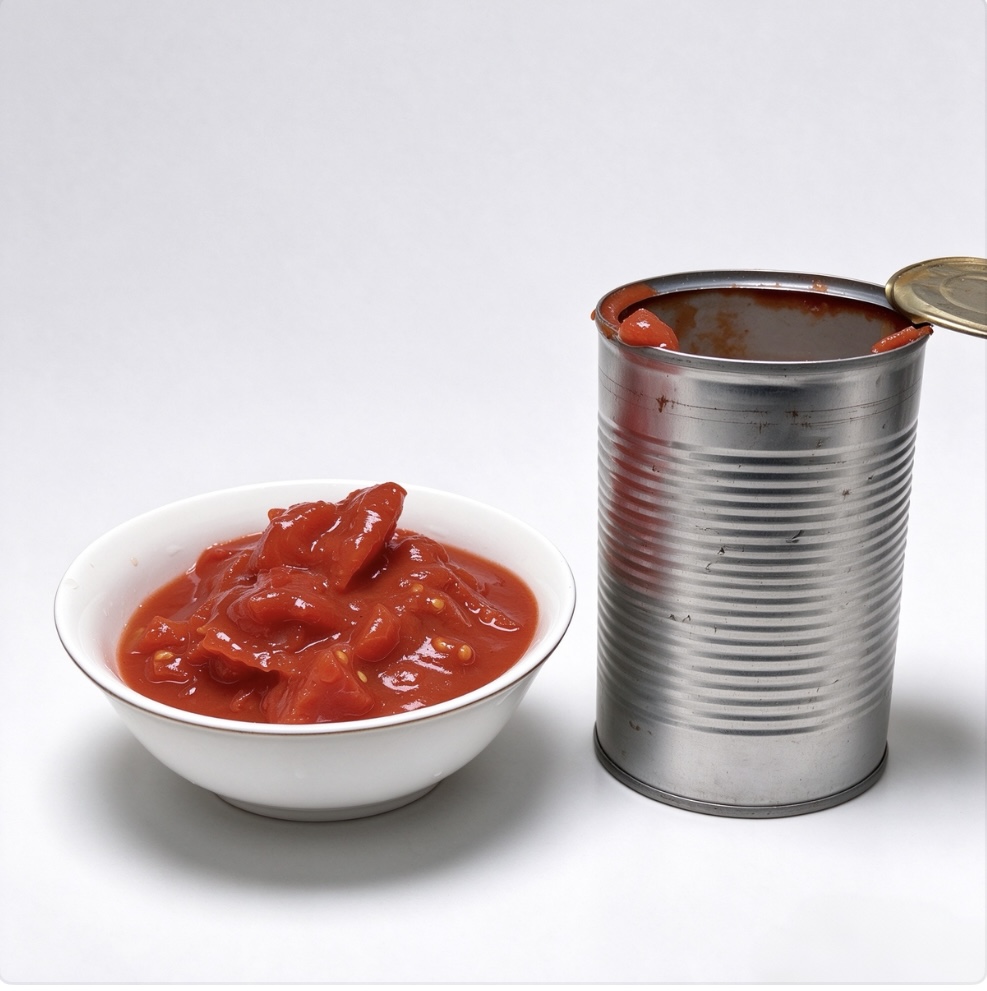
Chopped Tomatoes 400g$ Price on requestFood Junc 400g Chopped Tomatoes are canned chopped tomato pieces featuring rustic, non‑smooth texture with visible tomato chunks. Suitable for bruschetta toppings, savory pie fillings, Mediterranean‑style cuisines and homemade‑style cooking bases. The handy 400‑gram can fits retail shelves, small‑scale foodservice and recipe trial projects. Cut size, packing medium and full specs can be checked upon your inquiry.read more
 HOT
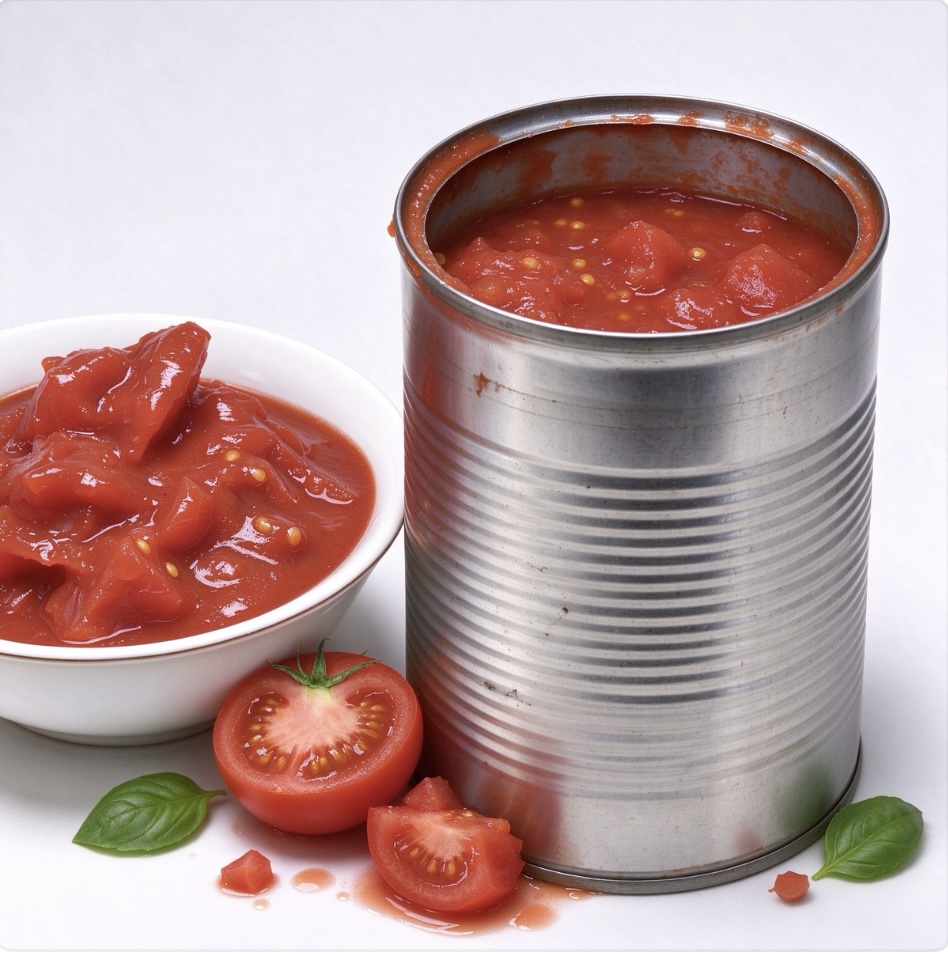
Chopped Tomatoes 800g$ Price on requestFood Junc 800g Chopped Tomatoes are canned irregular tomato chunks designed for vegetable‑forward savory dishes. Larger‑volume 800‑gram cans are ideal for commercial batch cooking in restaurants and central kitchens. It pairs perfectly with vegetables, grains and legumes as an alternative to smooth tomato puree. Full ingredient lists, packing medium and export‑ready packaging details are available upon inquiry.read more
 HOT
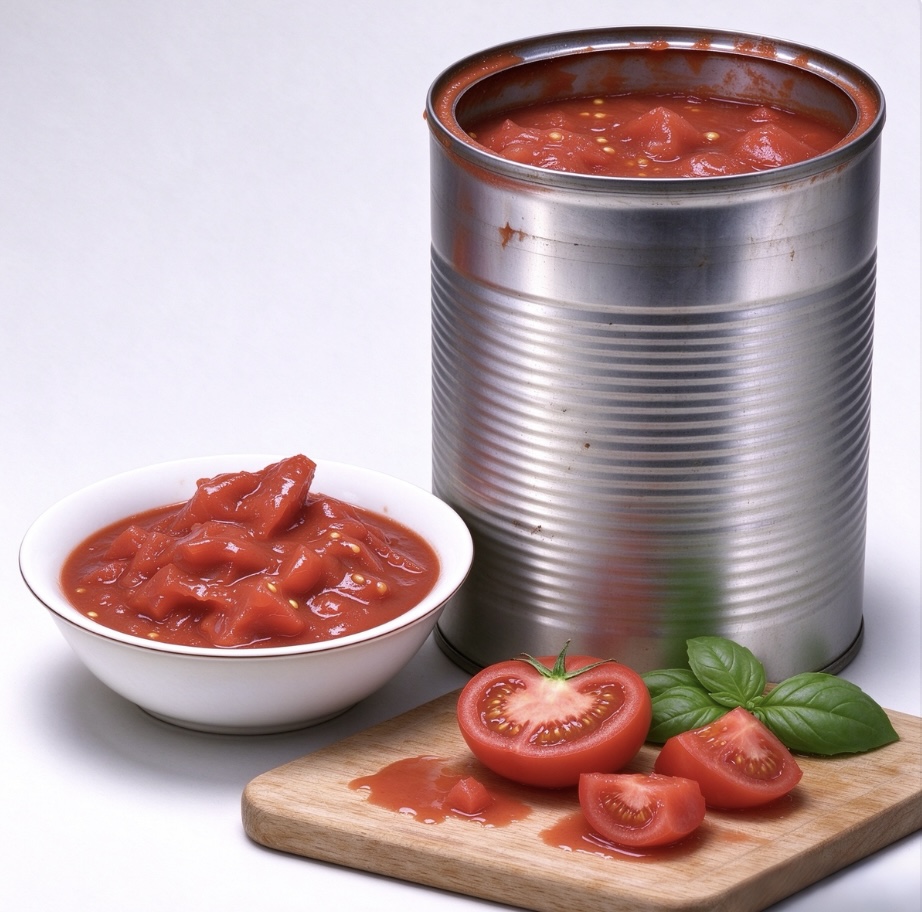
Chopped Tomatoes 3000g$ Price on requestFood Junc 3000g Chopped Tomatoes are large‑size canned chopped tomato pieces for bulk ingredient procurement. Optimized for food processors, catering firms and commercial kitchens with high consumption. This big‑capacity format streamlines large‑batch production and ingredient management. Ingredients, packing medium, carton configuration and export terms can be confirmed on your inquiry.read more
 HOT
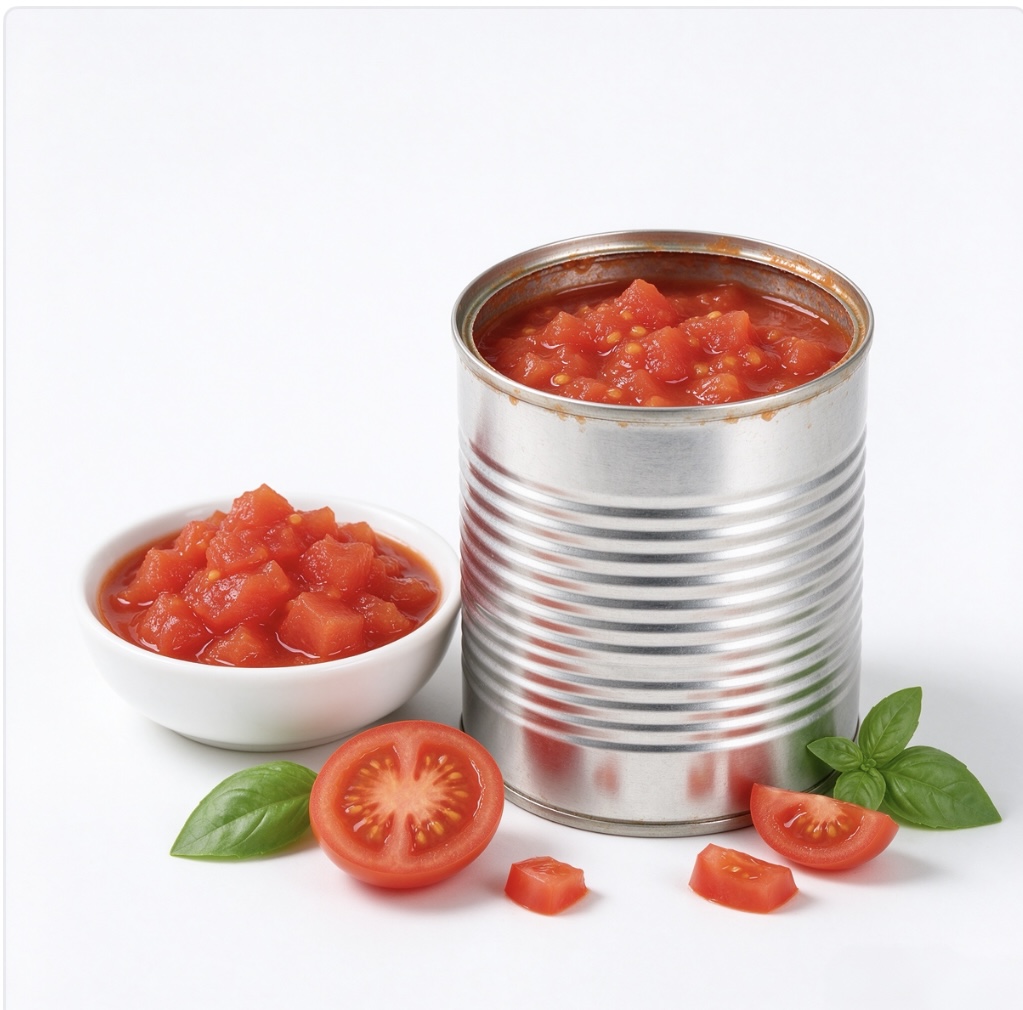
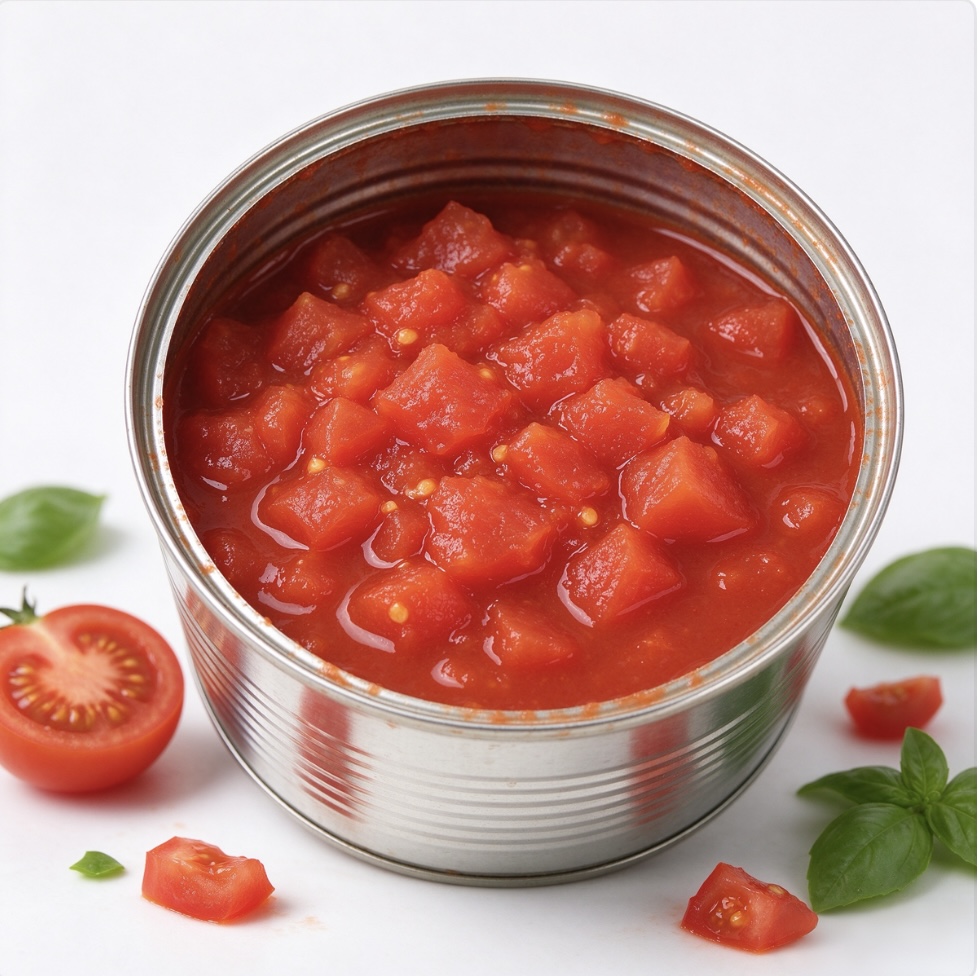
Diced Tomatoes 400g$ Price on requestFood Junc 400g Diced Tomatoes are pre‑cut uniform tomato cubes for retail and foodservice. Saving manual cutting work, they deliver distinct tomato chunk texture for stews, casseroles, grain‑based meals and assorted savory dishes. The handy 400‑gram can fits small‑batch cooking, recipe trials and retail sales. Peeling status, packing medium and full technical data are available upon inquiry.read more
 HOT
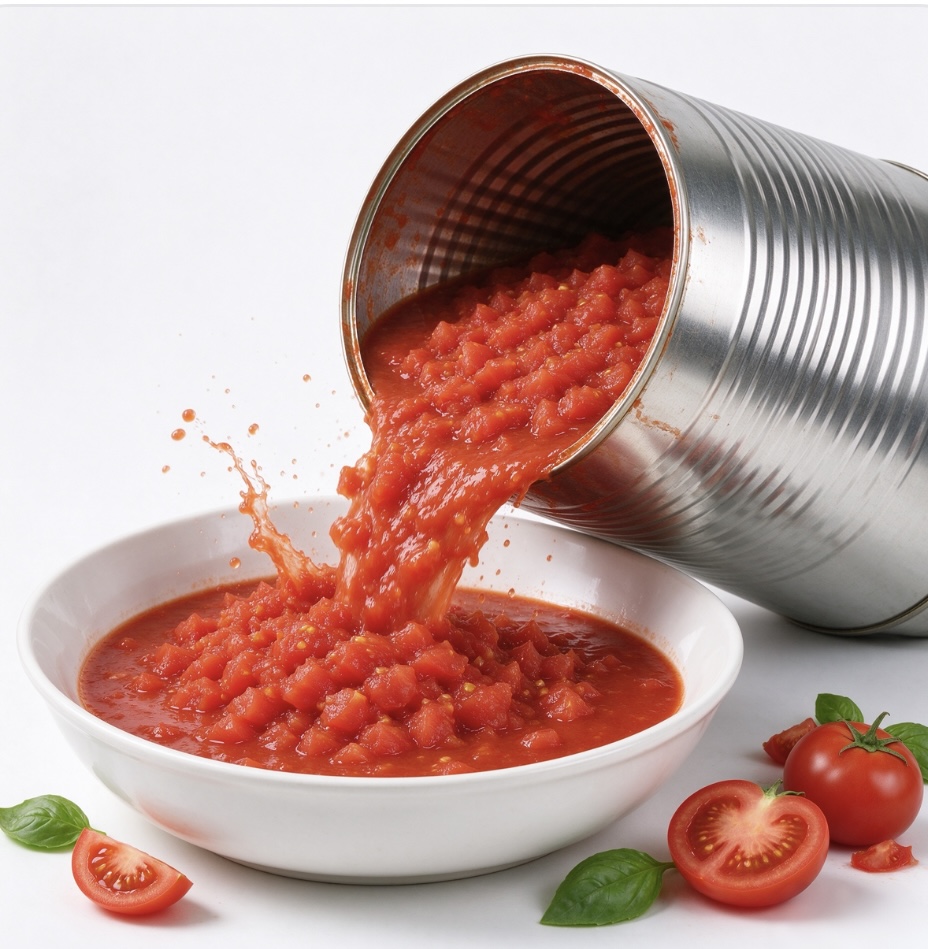
Diced Tomatoes 800g$ Price on requestFood Junc 800g Diced Tomatoes are uniformly‑cut tomato cubes for commercial recipe development and food‑business applications. Delivering distinct visible tomato chunks, it supports recipe standardization, new‑product trials and compatibility testing with vegetables, seasonings and protein ingredients. The 800‑gram can works for prepared meals, vegetarian food projects and foodservice menu roll‑outs. Cut size, packing medium and full technical parameters can be obtained upon inquiry.read more
 HOT
Diced Tomatoes 3000g$ Price on requestFood Junc 3000g Diced Tomatoes are large‑format pre‑cut tomato cubes for high‑volume food production. Designed for central kitchens, catering companies and food processors, this big‑size pack optimizes large‑batch cooking and simplifies ingredient stock management. Ready‑to‑use diced chunks eliminate manual cutting work for mass production. Cut dimension, packing medium, drained weight and export‑related packaging information are available upon inquiry.read more